
 AED Batteries: Replacement Schedules, Costs & Maintenance Guide
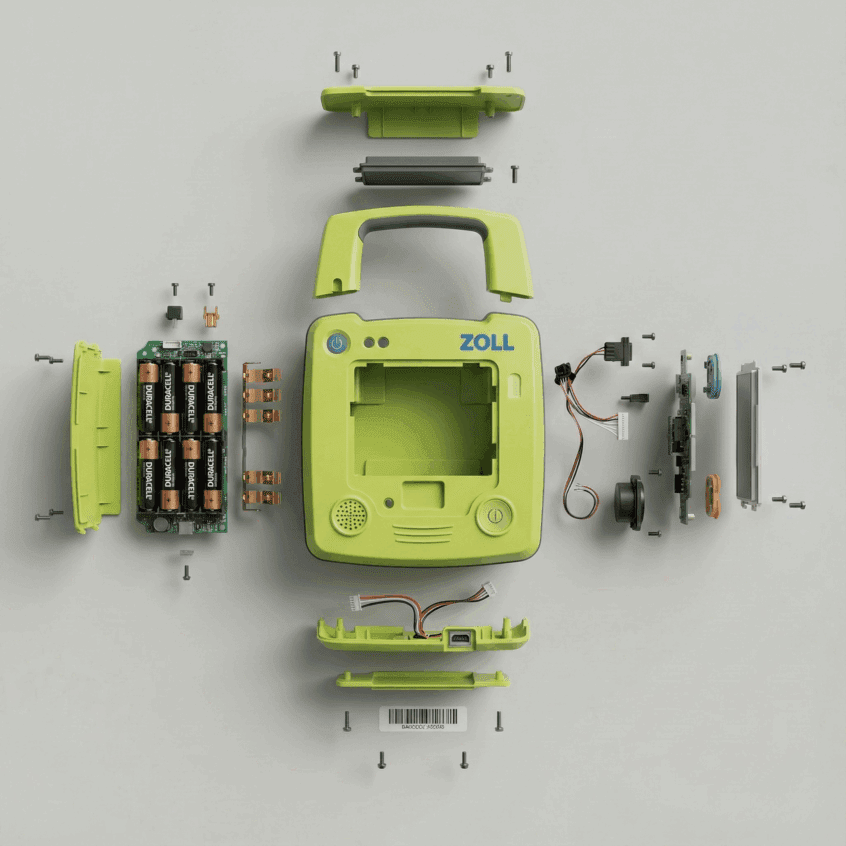
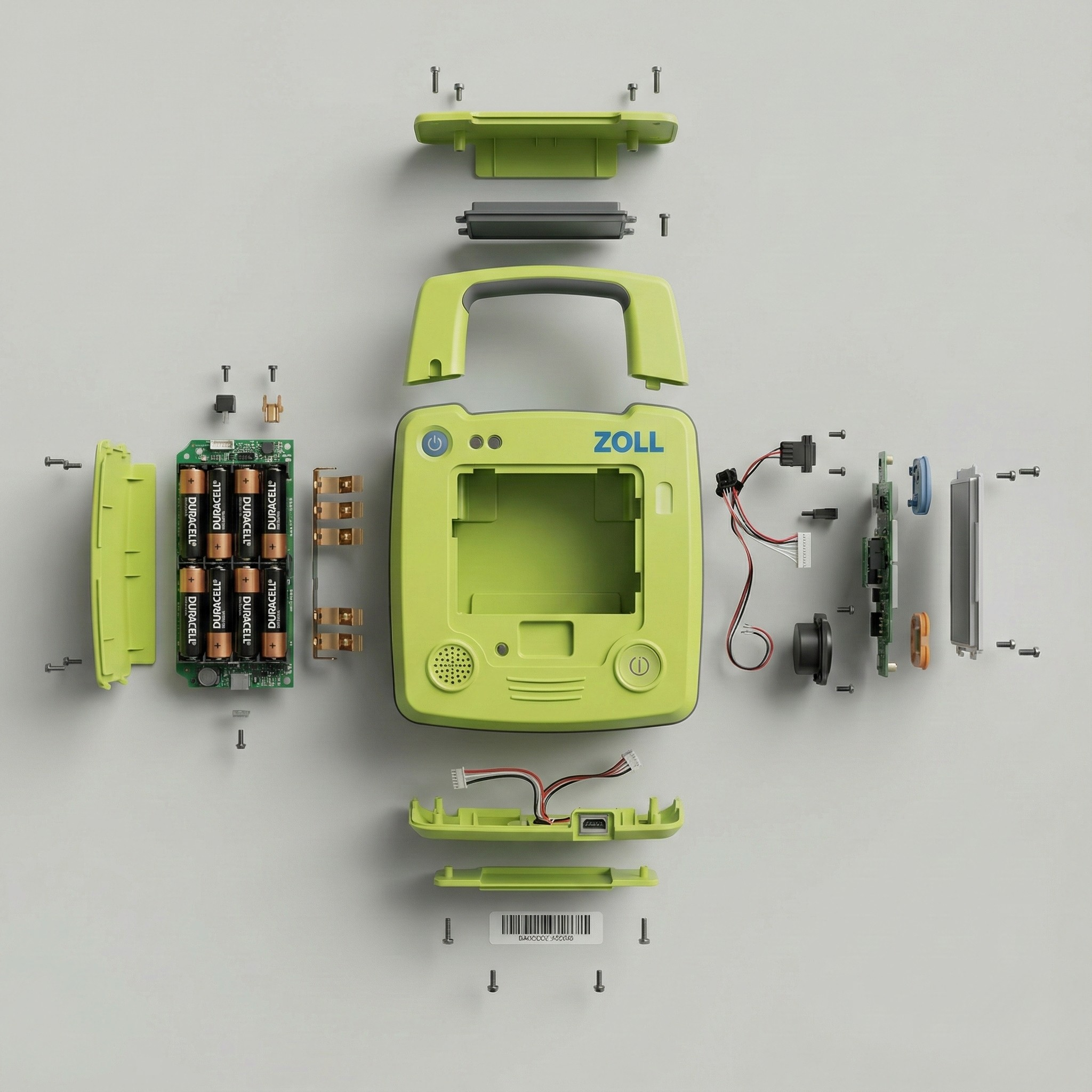
AED batteries play a critical role in ensuring automated external defibrillators function properly during a sudden cardiac arrest. At PurchaseAEDs.com, helping customers understand how AED batteries work, when they need replacement, and how to maintain them is essential to building reliable emergency response programs. No matter how advanced the device, an AED cannot perform without dependable AED batteries installed and ready.
Why AED Batteries Are Essential to Emergency Preparedness
AED batteries provide the power required for system checks, voice prompts, and shock delivery. Without properly functioning AED batteries, an AED may fail during an emergency. PurchaseAEDs.com carries AEDs and accessories from trusted brands such as ZOLL, Philips HeartStart, LIFEPAK, HeartSine Samaritan, Defibtech, and Cardiac Science, all of which rely on manufacturer-approved AED batteries for optimal performance and readiness.
AED Batteries Replacement Schedules and Lifespan
Most AED batteries are designed with a standby lifespan ranging from four to seven years, depending on the manufacturer and model. Even if an AED is never used in a rescue, AED batteries gradually lose capacity due to internal chemical processes and routine self-tests. PurchaseAEDs.com provides clear product details, including expiration timelines, so customers can easily track AED batteries service dates and replace them before performance is compromised.
Understanding the Cost of AED Batteries
The price of AED batteries varies based on brand, chemistry, and expected service life. Some AED models use lithium packs engineered for extended longevity, while others rely on intelligent power systems that report readiness status. PurchaseAEDs.com offers transparent pricing on authentic replacement AED batteries to help customers avoid compatibility issues and maintain manufacturer warranties. Investing in manufacturer-recommended AED batteries reduces the risk of device errors when every second matters.
Best Practices for AED Batteries Maintenance
Routine inspections and a written AED program are important for maintaining AED batteries and overall device readiness. Most organizations perform monthly visual checks to confirm status indicators are green and units are in place. Many facilities also use AED readiness software to monitor AED batteries across multiple locations, log checks, and receive alerts for upcoming expirations. Proper storage in approved cabinets and climate-controlled environments can further extend the useful life of AED batteries and reduce the chance of premature failure.
How PurchaseAEDs.com Simplifies AED Batteries Management
PurchaseAEDs.com makes AED ownership straightforward by offering a complete selection of brand-specific AED batteries, replacement pads, cabinets, and bundled solutions. Customers can order the correct AED batteries for their device without guesswork, and product pages include compatibility notes and expiration information. PurchaseAEDs.com also stocks accessory kits and offers guidance on choosing the right AED batteries for specific models to simplify procurement and reduce downtime. Regular training and proactive replacement planning reduce the likelihood that an AED will be found with depleted AED batteries during a critical moment. By combining high-quality products, clear information, and practical program support, PurchaseAEDs.com ensures AED batteries remain a dependable component of any life-saving strategy.