
What Is a Portable AED and Why Is It Important?
A portable AED is a compact device designed to help save lives during sudden cardiac arrest. AED stands for Automated External Defibrillator, and these devices analyze the heart’s rhythm and deliver an electric shock when necessary to help restore a normal heartbeat. Unlike larger defibrillators found in hospitals, a portable AED is lightweight, easy to transport, and designed so that bystanders can use it during an emergency. Because sudden cardiac arrest can happen anywhere, having a portable defibrillator readily available can make a critical difference in the outcome of an emergency. Many organizations and individuals choose to keep a portable AED nearby so they are prepared to act quickly when every second counts.
How a Portable AED Works During an Emergency
When someone collapses from sudden cardiac arrest, immediate action is essential. A portable AED works by analyzing the heart’s rhythm through electrode pads placed on the chest. Once connected, the device determines whether a shock is required. If a shockable rhythm is detected, the portable AED will prompt the user to deliver a controlled electrical shock that may help restore the heart’s normal rhythm. Most modern units provide step-by-step voice instructions and visual prompts, making them easy to use even for people with no medical background. These features allow bystanders to respond quickly while emergency medical services are on the way.
Why Quick Access to an AED Can Save Lives
Sudden cardiac arrest is a life-threatening condition that requires immediate treatment. Survival rates decrease with every minute that passes without defibrillation. Having a portable AED nearby significantly improves the chances of survival because it allows a shock to be delivered much sooner than waiting for emergency responders alone. These devices are designed specifically for rapid response situations, which is why many public places now include AEDs as part of their safety equipment. A portable AED provides a critical link in the chain of survival, helping bystanders take action during the most crucial moments of an emergency.
Who Should Consider Having a Portable AED
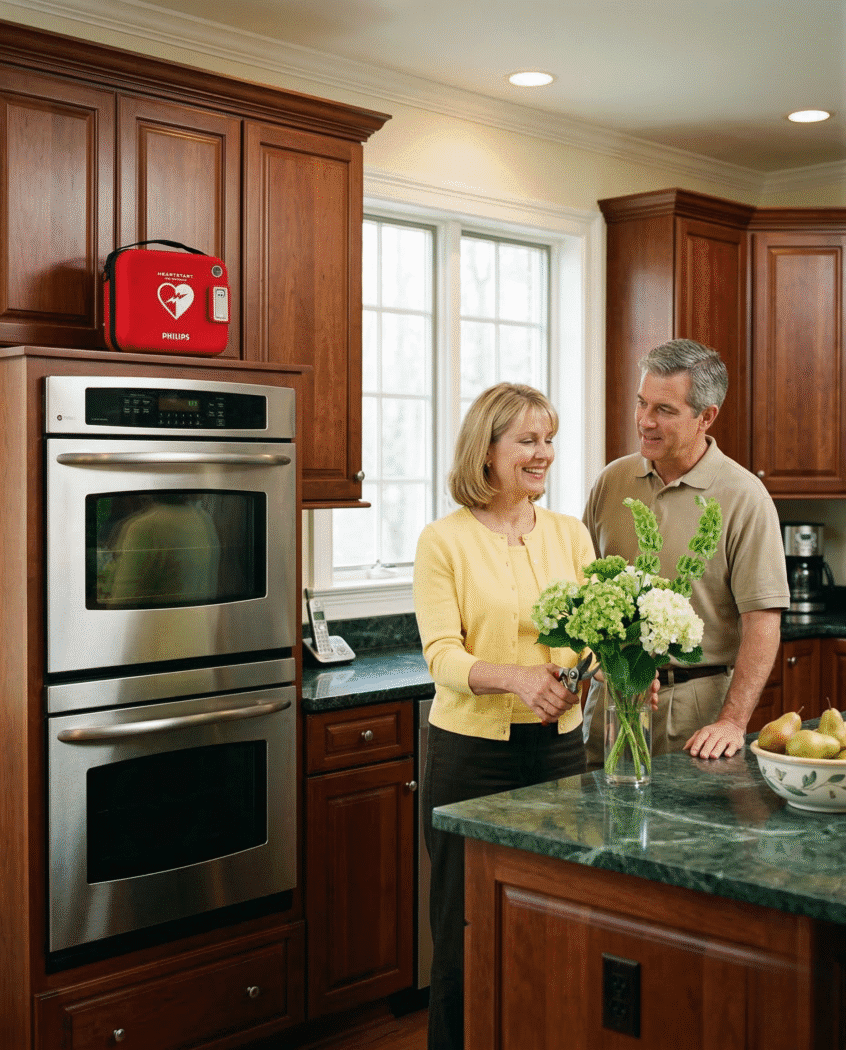
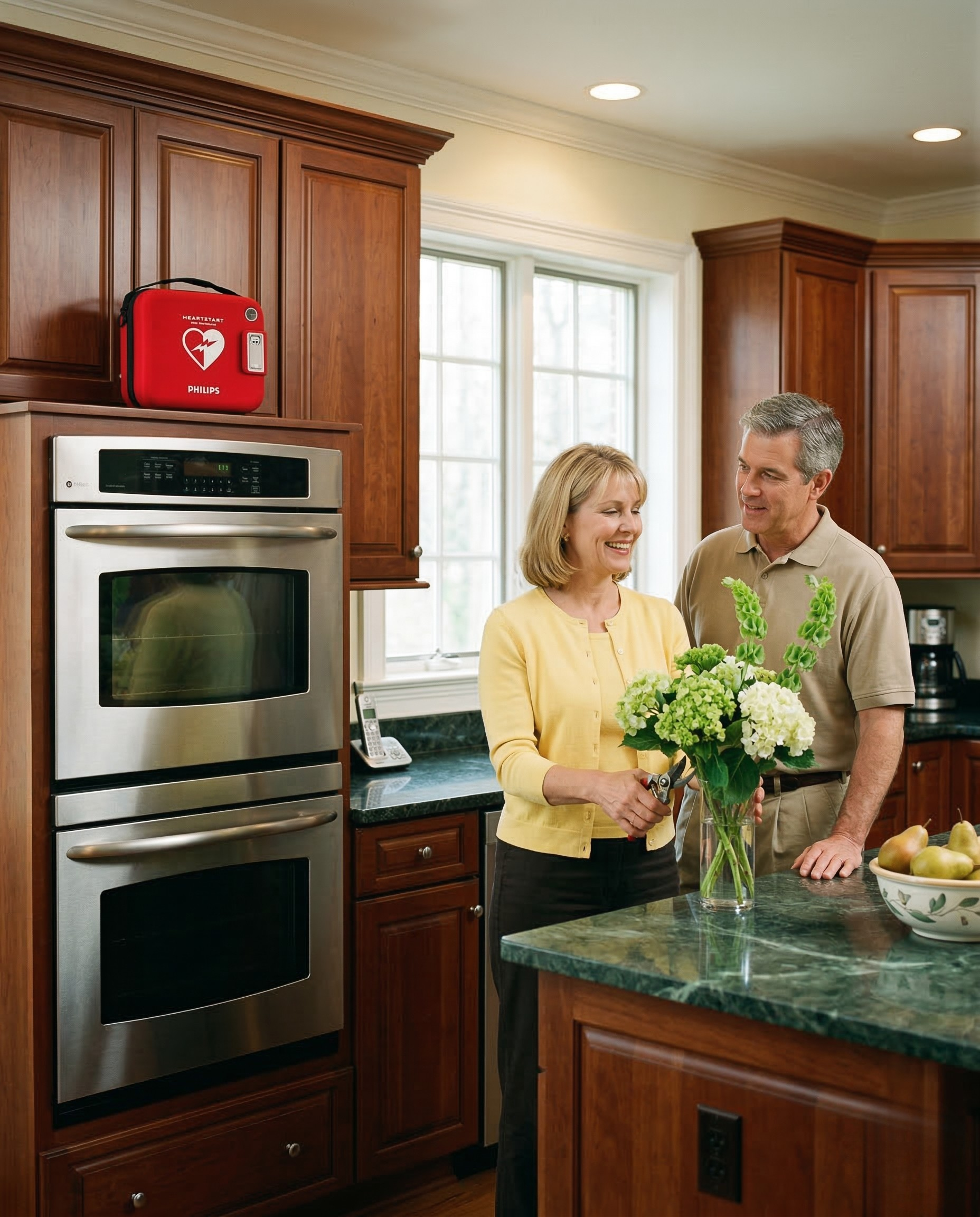
Many different environments can benefit from having a portable AED readily available. Businesses, schools, gyms, community centers, and sports facilities often install these devices so they can respond quickly if someone experiences sudden cardiac arrest. In addition, many families choose to keep a portable AED in the home, especially if a loved one has a known heart condition or risk factors. Because the device is compact and easy to store, it can also be kept in vehicles, offices, or recreational spaces. The accessibility of a portable AED allows individuals and organizations to take a proactive approach to emergency preparedness.
Key Features That Make Portable AEDs Easy to Use
Modern defibrillators are designed with user-friendly features that make them effective during high-stress situations. A portable AED typically includes voice instructions, visual indicators, and automatic rhythm analysis to guide the rescuer through each step. Many models are also built with durable casings and long-lasting batteries so they remain reliable when needed. These features ensure that a portable AED can be used quickly and confidently by anyone responding to a cardiac emergency.
Being Prepared for Cardiac Emergencies
Preparing for medical emergencies is an important step in protecting the people around you. Whether placed in a home, workplace, or public space, a portable AED provides a powerful tool that can help save lives during sudden cardiac arrest. Understanding how these devices work and where they should be located can make a meaningful difference when responding to an emergency. Investing in a portable AED helps ensure that life-saving technology is available when it matters most. Visit PurchaseAEDs.com online to explore reliable AED devices and learn how having a portable defibrillator available can help you respond quickly during a cardiac emergency.